Commission Breakdowns in Specialized Gambling Networks: Revenue Pathways from Roulette Variants to Poker Platforms
Written by Logan Reed · Sep 11, 2026
Commission Breakdowns in Specialized Gambling Networks: Revenue Pathways from Roulette Variants to Poker Platforms
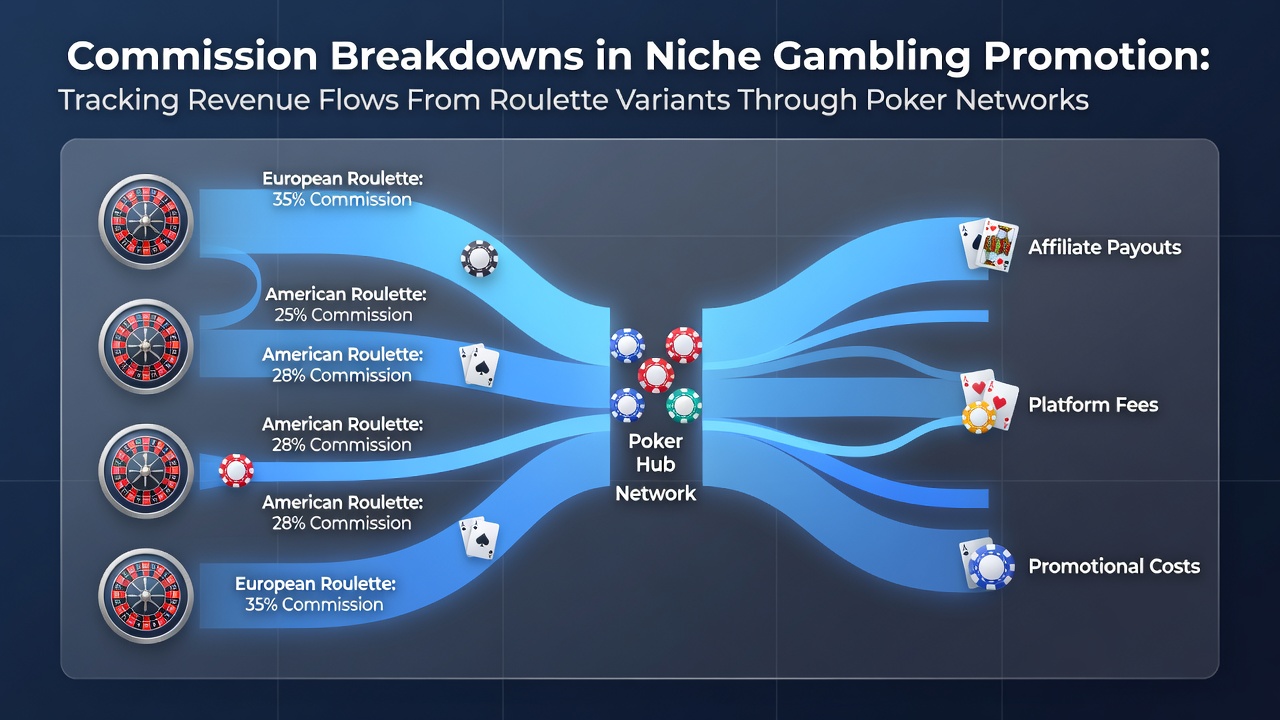
Commission structures in niche gambling promotion operate through layered agreements that connect roulette variants directly to broader poker network payouts, and observers note these flows often rely on shared affiliate platforms that aggregate player activity across game types. Revenue tracking begins with initial player deposits on roulette tables, whether European, American or French variants, then moves through rev-share models that allocate percentages to promoters before those same accounts engage with poker rooms on interconnected networks.
According to figures from the Nevada Gaming Control Board, roulette promotions in 2025 generated commission rates averaging 25 to 35 percent on net gaming revenue for qualified affiliates, with higher tiers unlocked once players reach defined activity thresholds. These rates feed into poker ecosystems because many networks operate unified wallets that allow seamless transfers, meaning a commission earned on roulette spins can later apply to rake generated in Texas Hold'em or Omaha cash games without additional qualification steps.
Tracking Mechanisms Across Game Categories
Promoters use unique tracking links and player tags to monitor each step, while data from multi-game platforms shows that roulette-driven traffic converts to poker participation at rates between 18 and 27 percent within the first 90 days. This conversion matters because poker networks typically apply lower base commissions of 15 to 25 percent on rake, yet volume bonuses and performance incentives can raise effective payouts when roulette-sourced players contribute consistent action. Researchers at the University of Nevada, Las Vegas documented similar patterns in a 2024 report that examined cross-product revenue sharing among licensed operators.
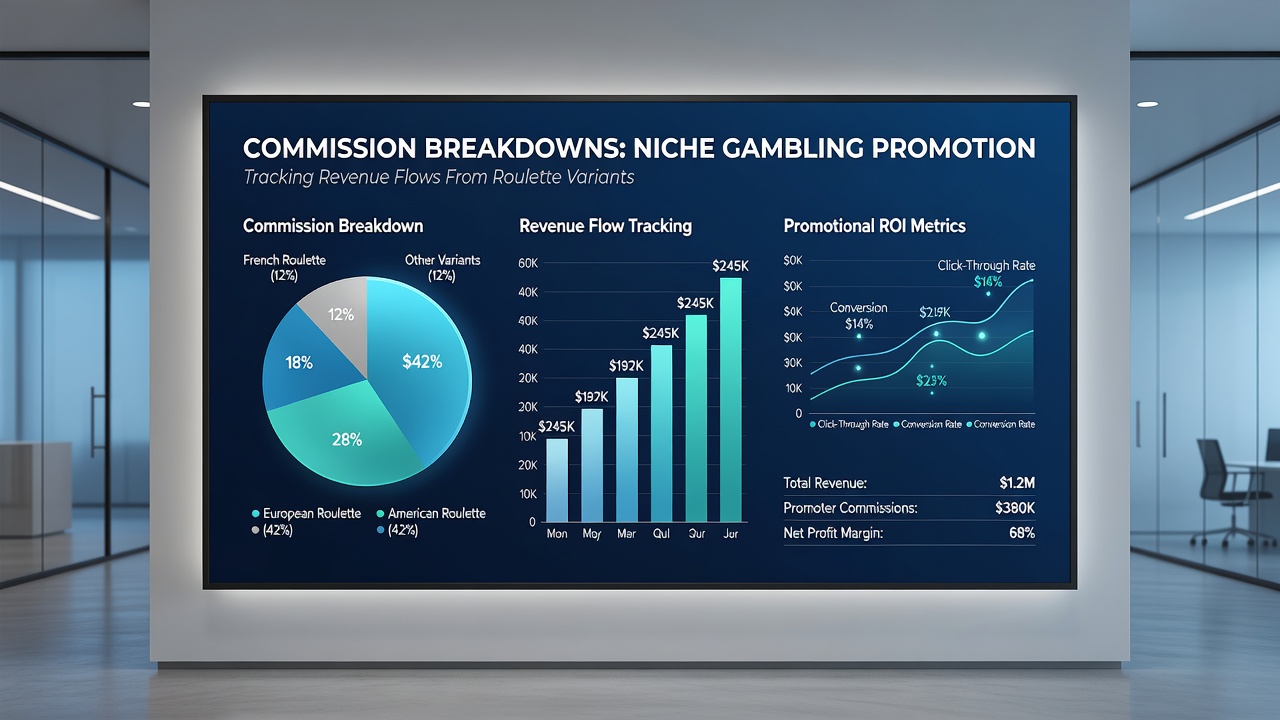
Payment schedules usually run monthly, and affiliates receive consolidated statements that break down contributions by game category. Roulette variants often produce steadier short-term revenue because of higher house edges and faster spin cycles, whereas poker networks emphasize long-term player retention through loyalty structures. Those who've studied these flows point out that hybrid programs reward promoters who drive players across both segments, creating blended commission rates that reflect total network activity rather than isolated game performance.
September 2026 Regulatory Updates and Reporting Standards
New reporting requirements scheduled for September 2026 will require clearer segmentation of revenue sources within affiliate dashboards, and regulators in multiple jurisdictions expect operators to flag when roulette-derived funds support poker rake calculations. This change aims to improve transparency without altering existing commission percentages. Industry reports indicate that platforms already testing these segmented reports have identified discrepancies of up to 12 percent in previously combined figures, prompting adjustments in how bonuses are distributed across networks.
Multi-tier affiliate arrangements add another layer, where master affiliates receive overrides on sub-affiliate earnings generated from roulette players who later migrate to poker rooms. These overrides range from 5 to 10 percent and depend on total network volume, while sub-affiliates retain their base rates. Data shows such structures appear more frequently in European and Asian-facing networks than in strictly North American operations.
Practical Examples of Revenue Allocation
Take one mid-sized affiliate program that promotes both roulette and poker on a shared network: a player deposits 500 units on a French roulette table, generates 2,000 units in wagers, and triggers a 30 percent commission payment of 120 units to the promoter. Once that same player joins a poker cash game and contributes 800 units in rake over subsequent sessions, the promoter receives an additional 20 percent commission of 160 units. The combined payout reflects activity across both products, and the network applies volume bonuses retroactively when monthly targets are met.
Another case involves a niche promoter focused solely on roulette variants who later joins a poker network through a white-label arrangement. Revenue from the roulette side funds marketing for the poker rooms, creating an internal flow that increases overall commission eligibility. Observers note these arrangements reduce acquisition costs because existing player data transfers across game types without new compliance checks.
Conclusion
Commission breakdowns in these specialized networks depend on precise tracking, blended payout formulas, and regulatory timelines that will expand in September 2026. Revenue originating from roulette variants continues to support poker network activity through unified platforms, and the resulting commission structures reward promoters who maintain engagement across both segments. Data from established gaming authorities and academic sources continues to shape how these flows are measured and reported.