Global Perspectives on Online Gambling Directories and Resource Hubs
Written by Henrik Bauer · Oct 23, 2026

Global Perspectives on Online Gambling Directories and Resource Hubs
Online gambling directories function as centralized platforms that compile listings of licensed operators, game types, and regulatory details for users seeking structured access to digital betting environments, and data from industry reports shows these resources have expanded steadily through 2025 into October 2026 as more jurisdictions formalize online operations. Researchers at various academic institutions note that directories typically categorize content by region, payment methods, and compliance standards, which allows visitors to compare options without navigating individual operator sites directly. Observers note that this organization reduces search time while highlighting key metrics such as licensing authorities and payout verification processes.
Core Components Found in Modern Directories
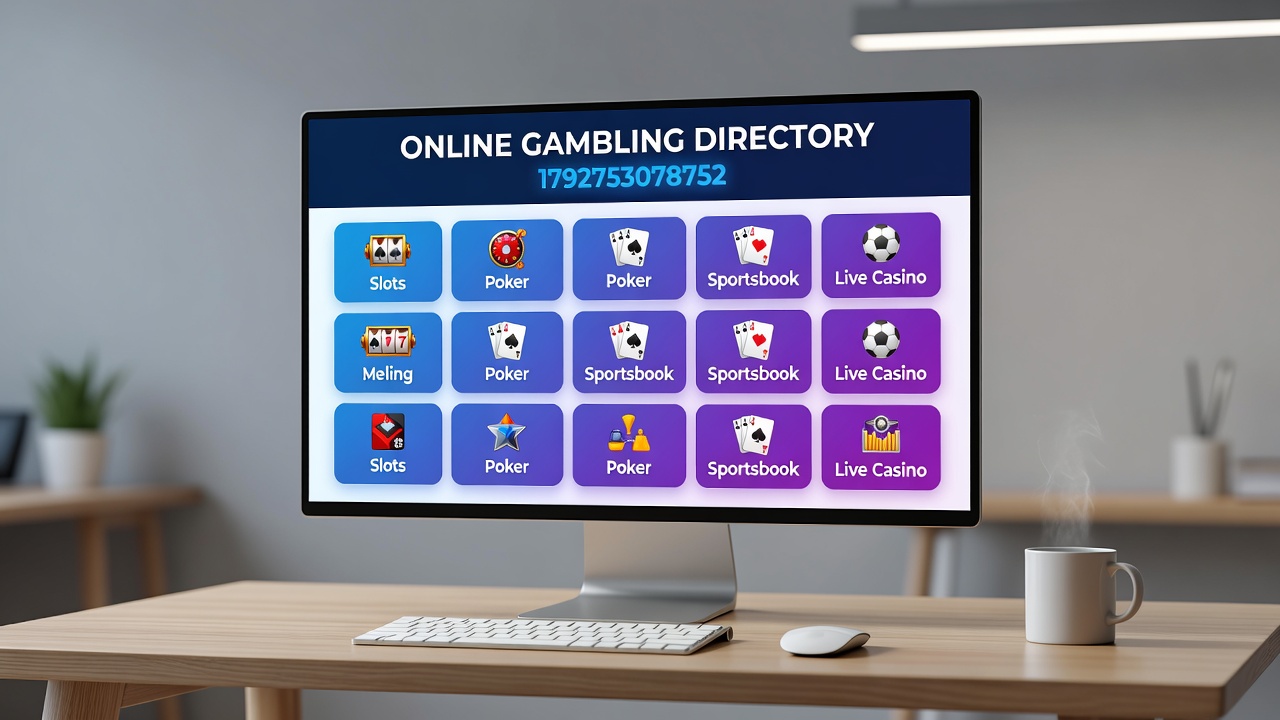
Directories usually feature searchable databases that include filters for game variety, bonus structures, and mobile compatibility, while sections dedicated to responsible gaming often link users to external support networks. Studies from research centers indicate that as of October 2026 many platforms have integrated real-time regulatory updates from multiple countries to reflect changes in licensing requirements. Those who've analyzed directory growth patterns find that user engagement rises when sites incorporate comparison tools that display withdrawal speeds alongside customer service response averages.
Regional Regulatory Influences on Directory Content
Content within these directories reflects licensing frameworks from bodies such as the Nevada Gaming Control Board in the United States and the Australian Communications and Media Authority, which enforce standards that operators must meet before appearing in listings. Data shows that directories serving North American audiences frequently emphasize state-specific rules, whereas those targeting European users highlight cross-border compliance notes. Experts have observed that this geographic tailoring helps users identify platforms aligned with local laws, and reports from the National Council on Problem Gambling suggest directories increasingly embed self-exclusion resources alongside operator profiles.
Technological Features Driving Directory Usability
Many directories now employ algorithms that rank listings based on verified player feedback scores and licensing status, which creates dynamic results that update as new information becomes available. Industry analyses reveal that integration with secure payment gateways and two-factor authentication prompts has become standard in platforms updated through 2026. People often find that directories providing downloadable comparison charts or interactive maps of available jurisdictions improve navigation efficiency, especially when users explore markets in Canada or parts of Asia where regulations continue to evolve.
Case Examples of Directory Application
Take one researcher who examined user behavior across multiple directories and discovered that participants who consulted these hubs before registering reported higher satisfaction with initial deposit processes. There's this case where experts found that directories incorporating live chat support for queries about regional restrictions saw increased repeat visits during periods of regulatory change in October 2026. Observers note that such features help bridge gaps between rapidly shifting legal landscapes and player decision-making timelines.
Data Trends and Growth Metrics
Figures from international gaming associations indicate that directory traffic has grown alongside overall online participation rates, with particular spikes noted in markets introducing new licensing rounds. Research indicates that directories emphasizing transparency around house edges and game fairness certifications attract users from diverse demographics. Those who've studied this space know that partnerships between directories and academic research groups have led to published reports on player protection trends, and one study revealed that directories referencing resources from the Australian Gambling Research Centre helped disseminate localized harm-minimization strategies more effectively.
Conclusion
Online gambling directories continue to serve as essential navigational tools by aggregating verified information across regulatory environments, and ongoing developments through October 2026 underscore their role in connecting users with compliant platforms worldwide. Data from multiple sources shows steady refinement in features that support informed choices while maintaining focus on regional legal requirements.