Integrated Player Journeys Through Sports and Casino Partnership Networks
Written by Henrik Bauer · Oct 9, 2026
Integrated Player Journeys Through Sports and Casino Partnership Networks
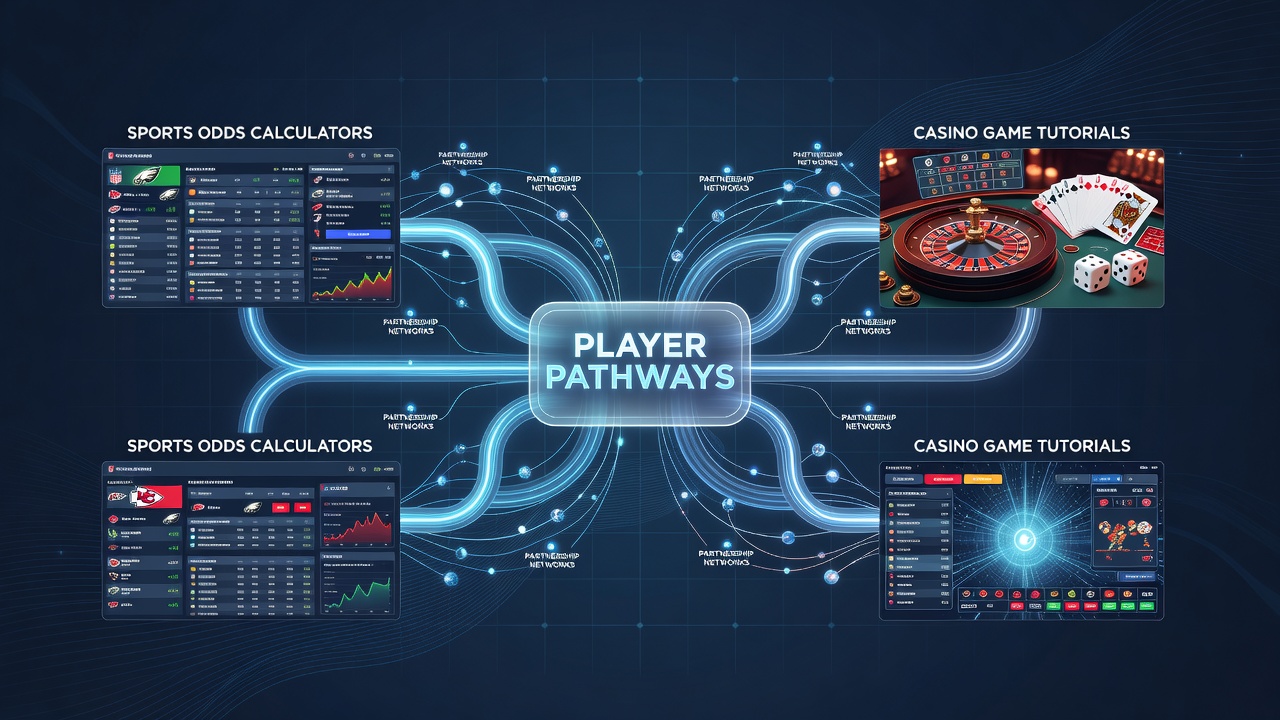
Partnership networks in the gambling sector create structured routes that connect sports odds calculators directly to casino game tutorials, allowing users to move between betting formats with shared data and educational resources. These systems rely on affiliate agreements and data-sharing protocols that link platforms operated by different operators, and they have expanded steadily since the mid-2010s as regulatory frameworks in multiple jurisdictions permitted cross-product promotions. Observers note that such connections reduce the friction users encounter when shifting from one gambling vertical to another.
How Partnership Structures Operate
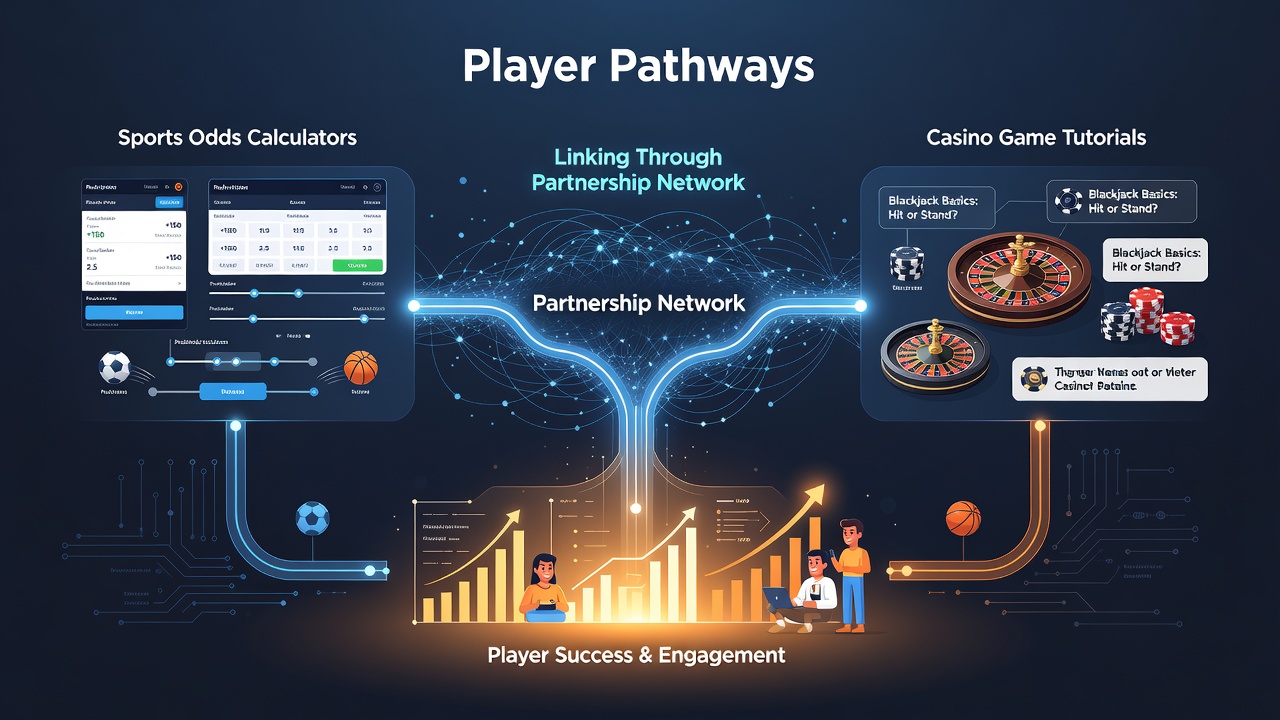
Operators establish formal agreements that embed sports odds calculators within casino-facing sites, while tutorial modules from casino providers appear inside sports betting apps. Data from one platform feeds the other through application programming interfaces, so a user checking football match probabilities can receive prompts that open blackjack strategy guides hosted on a partner domain. These arrangements often involve revenue-sharing models where each click or completed tutorial generates tracked value for the originating network. Research from the European Gaming and Betting Association shows that integrated referral traffic grew by 18 percent between 2023 and 2025 across participating member companies.
Role of Sports Odds Calculators in User Pathways
Sports odds calculators supply real-time probability models that users consult before placing wagers on events ranging from major league fixtures to niche esports tournaments. When embedded in partnership networks, these tools carry additional metadata that surfaces casino tutorial links once a session reaches a defined duration or interaction threshold. Users who adjust variables in a calculator for basketball point spreads, for instance, may then encounter an overlay directing them to roulette probability modules. Industry reports indicate that such prompts increase tutorial completion rates by directing users toward content calibrated to their demonstrated interest in numerical analysis.
Casino Game Tutorials as Destination Content
Casino game tutorials cover rules, payout structures, and basic strategy for titles such as video poker, baccarat, and slot mechanics. Within linked networks these modules receive traffic from sports users who have already engaged with probability tools, creating a natural progression from one analytical mindset to another. Tutorials frequently incorporate the same data-visualization styles found in odds calculators, so users encounter familiar chart formats when learning about house-edge percentages. This consistency supports retention because individuals do not need to adapt to entirely new interfaces when crossing vertical boundaries.
October 2026 Network Expansions
By October 2026 several major operators plan to launch unified dashboards that combine live sports odds feeds with interactive casino tutorial libraries under single sign-on credentials. These dashboards will draw on aggregated anonymized data sets to surface personalized pathways, such as suggesting craps tutorials to users whose sports calculator history shows repeated engagement with high-variance propositions. Regulatory filings in multiple North American and Australian jurisdictions list these upgrades as part of scheduled platform revisions expected to go live during the fourth quarter of that year.
Geographic Variations in Implementation
Networks operating under New Jersey and Pennsylvania licenses emphasize sports-to-casino pathways more heavily than those based in European markets, where separate licensing categories sometimes restrict direct cross-promotion. Australian operators, by contrast, have integrated tutorial modules into sports apps at a higher rate according to figures released by the Australian Communications and Media Authority. Canadian provincial gaming corporations have adopted hybrid models that route users through third-party educational portals rather than direct operator links, producing distinct traffic patterns compared with U.S. state-regulated sites.
Measurement and Attribution Practices
Partnership networks track user movement through unique identifiers and pixel-based attribution, allowing operators to quantify how many sports calculator sessions convert into casino tutorial views and subsequent deposits. Third-party auditors verify these metrics under standards established by the Remote Gambling Association, which publishes annual compliance summaries covering data integrity and responsible-gaming safeguards. Such reporting helps participating companies adjust referral incentives and tutorial placement algorithms without violating cross-border data rules.
Conclusion
Partnership networks continue to refine the technical and commercial links between sports odds calculators and casino game tutorials, producing measurable pathways that guide users across gambling formats while remaining within established regulatory boundaries. Data from multiple jurisdictions documents consistent growth in cross-vertical referrals, and scheduled platform updates in 2026 indicate further integration remains underway. These developments rest on documented agreements, standardized tracking methods, and publicly available industry statistics rather than speculative projections.