Mapping Alliance Networks Between Online Betting Operators and Fresh Gaming Formats in Regulated Markets
Written by Tina Schmitz · Sep 25, 2026
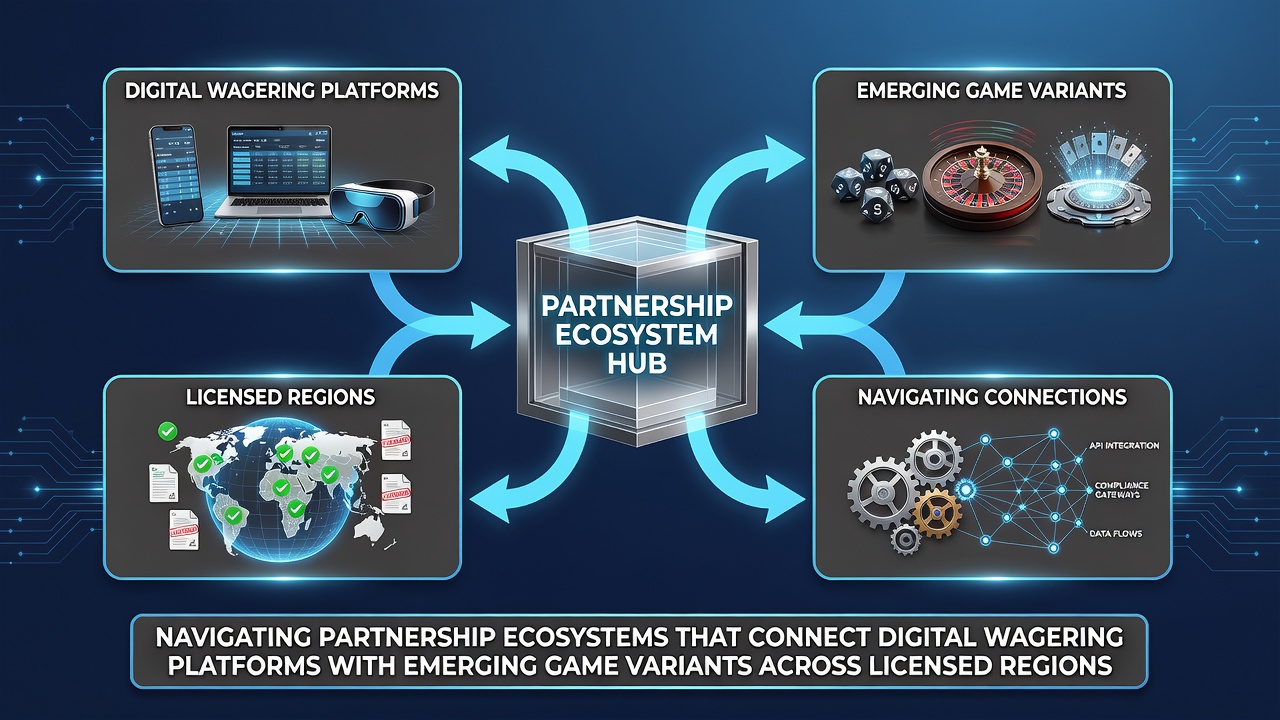
Mapping Alliance Networks Between Online Betting Operators and Fresh Gaming Formats in Regulated Markets
Partnership ecosystems in digital wagering link established platforms with developers of new game types through structured agreements that span multiple licensed territories, and these arrangements handle everything from technology integration to revenue sharing while maintaining compliance with local rules. Observers note that such networks have expanded as operators seek fresh content to attract players in competitive environments, and data from industry reports shows growth in collaborations involving skill-based games, virtual reality experiences, and hybrid betting formats.
Core Elements of These Partnership Structures
Agreements typically cover intellectual property licensing, platform compatibility, and marketing support, while regulatory approval processes require documentation on game fairness and player protection measures. Researchers at academic institutions have documented how these deals often involve multi-year contracts that specify performance metrics, and figures from 2025 indicate that average deal values in this sector reached several million dollars per partnership. Those who've examined the landscape point out that platforms in Europe and North America frequently connect with developers based in Asia to bring localized variants to new audiences.
Technology providers supply the backend systems that allow seamless integration of new games into existing sites, and this includes APIs for real-time updates along with tools for tracking player behavior across jurisdictions. Evidence from trade association studies reveals that successful alliances prioritize data security protocols aligned with standards from bodies such as the Malta Gaming Authority and the New Jersey Division of Gaming Enforcement.
Regional Variations in Licensed Markets
European territories maintain frameworks that encourage cross-border partnerships under directives that standardize certain compliance elements, whereas North American states operate with more fragmented rules that demand separate approvals for each location. In Australia, the Australian Communications and Media Authority oversees arrangements that connect local operators with international game developers, and similar patterns appear in Canadian provinces where provincial regulators evaluate emerging formats like esports-integrated betting options. Data indicates that by September 2026, several new licensing rounds are scheduled in these areas, which could open additional pathways for variant game introductions.
Partnerships in these regions often adapt to cultural preferences, with developers creating region-specific themes or mechanics that fit local tastes while adhering to age verification and responsible gaming requirements. One case documented by research institutions involved a platform expanding from the UK market into Scandinavian countries through alliances that incorporated live dealer variants with localized language support.

Integration of Emerging Game Variants
New game types such as crash mechanics, multiplier-based challenges, and interactive narrative slots enter markets through these ecosystems, and operators gain access via revenue-share models that tie payouts to player engagement levels. Studies from gaming research centers show that these variants often achieve higher retention rates when paired with established platforms that already hold player trust. What's interesting is how compliance teams review each variant for elements like random number generation and payout transparency before deployment across borders.
Developers bring innovations like augmented reality overlays or blockchain-based ownership features, yet platforms handle the distribution while ensuring alignment with territorial laws on gambling mechanics. Reports from the European Gaming and Betting Association highlight that partnerships focused on these innovations have increased in frequency as mobile usage dominates player access points.
Compliance and Risk Management Approaches
Regulatory bodies require ongoing audits of partnered games, and this process involves third-party testing labs that verify adherence to technical standards across all connected regions. Those managing these ecosystems use centralized dashboards to monitor transactions and flag irregularities, while contractual clauses address liability in cases of disputes or breaches. Evidence suggests that alliances incorporating proactive compliance tools experience fewer interruptions when expanding into new licensed areas.
Training programs for staff at both platform and developer ends cover updates to regional policies, and this helps maintain consistency as rules evolve. Industry organizations have compiled resources that outline best practices for navigating these requirements without duplicating efforts across multiple jurisdictions.
Conclusion
Alliance networks continue to shape how digital wagering platforms incorporate emerging game variants within licensed regions, with structures that balance innovation against regulatory demands. Information from diverse sources including government agencies in Malta, New Jersey, and Australia underscores the role of these partnerships in expanding content options while upholding operational standards. As licensing timelines advance into late 2026, further developments in these ecosystems are expected to follow established patterns of integration and oversight.